Los Angeles landscapers Pasadena CA landscapes do not play by Midwest rules. We build outdoor rooms that see salt air in the morning and heat shimmering off stone by midafternoon. Soil changes from block to block. Water costs are real. The groundcover you choose, whether artificial turf, living sod, or native plantings, will set the tone for how you use your property and how much time and money it demands each year. At Ridgeline, we treat that choice as a design decision, a stewardship decision, and a construction detail, because all three matter over the lifespan of a yard.
Why the surface underfoot shapes the whole landscape
The right ground plane unlocks a home’s potential. A level, resilient lawn may be the hub for kids, pets, and pickup soccer. A native matrix that knits between pavers can cool hardscape and tame runoff. Artificial turf, properly installed, can provide a crisp evergreen look without irrigation. Each path has tradeoffs, and each interacts differently with other improvements like paver patios, retaining walls for hillside properties, or an outdoor kitchen.
Our clients often come to us with a question they have already typed into a search bar: Artificial Turf vs Sod: What’s Best for Los Angeles Homes? We widen that frame to include native groundcovers, because Los Angeles rewards thoughtful plant palettes that lean water wise. The decision is rarely either or. Mixed strategies, tuned to how you live, usually win.
The three options in plain terms
Artificial turf is a synthetic carpet installed over a compacted aggregate base with infill brushed into the fibers. It does not need mowing or irrigation, stays green year round, and excels where shade, heavy use, or water restrictions make live grass impractical. The modern materials are more natural looking than they were even five years ago, but they still carry heat, require specialty cleaning in pet zones, and come with a real upfront cost.
Sod is live grass delivered in rolls. In Los Angeles, warm season blends like Bermuda or hybrid Bermuda thrive in heat and sun once established, while tall fescue offers a year round green look with higher water needs. Zoysia is another option for full sun areas, slower to spread but tough underfoot. Sod establishes quickly compared to seed, and a well designed irrigation system makes its upkeep manageable. You trade water and maintenance for a cool living surface that performs beautifully for active families.
Native and climate adapted groundcovers include species such as yarrow (Achillea millefolium), California field sedge (Carex praegracilis), beach strawberry (Fragaria chiloensis), and creeping ceanothus forms for larger drifts. These plantings sip water once established, support pollinators, and keep soil permeable. Many will accept occasional foot traffic if designed with stepping pads or paver ribbons. The look ranges from meadowy to manicured, depending on species and spacing. Compared to sod, they establish over months rather than weeks, then settle into a low care routine.
What matters most to homeowners
Before we measure anything, we listen. Most choices hinge on a short list of priorities that pull in different directions. If you are not sure where you land, a simple self check helps focus the conversation.
- Primary use: play, pets, entertaining, or visual green only Willingness to water: high, moderate, or minimal Maintenance tolerance: weekly care, occasional tune ups, or near zero Heat and glare sensitivity: barefoot comfort a must, or not critical Lifespan value: lower upfront cost, or lower total cost over 10 years
Those five questions do more to shape the right direction than any catalog. We pair your answers with site facts gathered on the first visit.
How we read your site
Los Angeles properties are not uniform. A courtyard in Hancock Park with mature elms behaves differently than a hillside terrace in Silver Lake or a coastal lot in the South Bay. Our assessment begins with microclimate. We clock hours of direct sun and watch how heat reflects off stucco, glass, and hardscape. Tall walls and dark pavers can raise surface temperatures by 10 to 20 degrees. That matters for barefoot comfort on turf and for plant selection in living carpets.
Soils come next. We test infiltration with a simple fill and time method and take a spade to profile the soil horizon. Clay lenses hold water and can stress sod roots, while sandy pockets near the coast demand more frequent but lighter irrigation. Compaction from previous construction often needs correction with ripping or soil fracturing before any installation. We note salts if the property is near the ocean, because that steers us away from sensitive species.
Water management shapes the base layer. If a patio adds runoff, we direct flow to bioswales or subsurface infiltration rather than to your neighbor’s driveway. On slopes, we check for seeps and consider French drains or properly vented perforated lines to relieve hydrostatic pressure behind retaining walls. The Complete Guide to Hillside Landscaping in Los Angeles and our work on Retaining Walls for Hillside Properties inform these calls. Turf that floats over a sloppy base will fail. Sod that sits in a wet pocket will rot.
We also watch traffic. If a Lab barrels the fence line 20 times a day, we need denser turf fibers or a switch to a compacted DG path. If a toddler plays under a citrus grove, we note leaf litter and shade. These details turn a nice concept into a resilient surface.
Where artificial turf wins, and where it does not
Artificial turf shines in small shaded courtyards where grass will not thrive, on narrow side yards that are hard to irrigate evenly, and in high wear play spaces. We often pair it with paver patios or stepping pads to create defined zones. For pet owners, we use antimicrobial infills and design sub bases that allow quick drainage to a sanitary line or an odor control layer. When done correctly, a turf pet zone can be cleaned efficiently and stay usable year round.
Heat is the honest drawback. Turf fibers can reach 140 degrees on a hot August afternoon, especially near dark stone or glass. We mitigate with shade structures like pergolas, light colored hardscape, and plant massing that breaks up reflected heat. If barefoot comfort is a must in peak summer, we often specify a hybrid approach, turf in shaded sections and living groundcover in sun baked zones. Fire pits, a favorite in 12 Backyard Fire Pit Ideas for Entertaining Year Round, should include heat breaks and non combustible borders to protect turf edges.
Material choice matters. We specify lead free, UV stabilized products with published testing and prefer sand, coated sand, or TPE infills over crumb rubber to avoid odor and heat gain. Edge detail and seam craftsmanship separate professional installations from the rest. The nap should roll consistently away from sightlines, and infill should be distributed to manufacturer specs. A poor install reads as artificial from the first week.
On cost, high quality artificial turf in Los Angeles typically falls between 12 and 25 dollars per square foot installed, driven by base prep, access, and product. Pet systems and intricate borders trend higher. Over a 10 year window, owners replace a fraction of infill and perform light grooming, but the big checks are written upfront.
Where sod makes sense
Sod delivers instant green and a cooling effect you can feel when you step out in the evening. It excels for families that want a forgiving play surface and who can commit to regular care. A properly installed warm season sod with smart irrigation will handle sports and dogs better than most people expect. We like hybrid Bermuda in full sun yards with active use. It repairs itself, takes summer heat in stride, and can be overseeded with rye for winter green if desired. Tall fescue still has a place, especially where shade dictates, but plan on higher water allocations and a sharper mower blade to keep it looking its best.
Irrigation drives success. Rotor head spacing, matched precipitation rates, and pressure regulation are non negotiable. We integrate weather based controllers that talk to local stations and adjust run times with real rainfall. A sod lawn with efficient irrigation and solid soil prep can come in under many homeowners’ mental models of water use. It will never compete with natives on gallons per year, but it can land in a responsible middle.
Expect costs in the range of 6 landscaping guides to 10 dollars per square foot for turnkey sod in Los Angeles, including grading, soil amendments, and a new valve zone if needed. Complex shapes, poor access, or heavy soil correction push higher. Ongoing expenses include mowing, seasonal fertilization, and 15 to 30 inches of water per year depending on grass type and microclimate. Over ten years, the total spend often ends up similar to turf if you factor in higher operating costs and lower upfront cost, but real numbers depend on site and water rates.
The case for native and climate adapted groundcovers
The Ultimate Guide to Drought Tolerant Landscaping in Los Angeles exists for a reason. Our climate rewards species that evolved in similar conditions. Groundcovers like Carex praegracilis, yarrow, and beach strawberry offer a textured, living carpet feel with far less water once established. Many can be mowed high a few times a year to keep a tidy look, or left to billow in a meadow pattern. For clients aiming at 10 Ways to Create a Resort Style Backyard at Home, a native matrix sliding between stone bands can evoke high design while lowering the water bill.
The setup period requires patience. We plant from plugs or small containers on 12 to 18 inch centers, add compost judiciously to native soils, and run drip irrigation to each run. Mulch with a fine wood chip keeps weeds down while the canopy closes. Expect three to six months to cover, sometimes longer in winter. Once knitted, these systems ask for periodic weeding, a light seasonal cutback, and deep infrequent watering.
Cost typically ranges from 8 to 18 dollars per square foot installed, driven by species, density, and site prep. On slopes, we integrate jute netting or degradable blankets to stabilize during establishment. Over ten years, water and maintenance savings can be dramatic. For clients prioritizing habitat and stormwater performance, natives are hard to beat. They also pair beautifully with paver patios and low retaining walls, cooling hardscape and softening edges. If you are exploring 10 Hardscaping Features That Increase Property Value or 15 Luxury Hardscape Ideas for Southern California Homes, a native matrix can elevate those investments.
Our step by step methodology
Our approach is consistent across property types. The steps keep decision making clear and evidence based, while leaving room for style.
- Program and priorities: clarify use patterns, pet needs, and desired look Site analysis: sun mapping, soil profiling, drainage mapping, and access logistics Concept options: one turf forward, one sod forward, one native forward, often with hybrid blends Lifecycle costing: 10 year projections for install, water, and maintenance Mockups and samples: on site turf swatches, plant flats, and finish edges for tactile decisions
Those five checkpoints produce confident choices. We present tradeoffs visually and with numbers that matter.
Cost, lifespan, and total value
A fair comparison uses real timelines. Artificial turf carries the highest upfront cost, then coasts with light maintenance. Its lifespan ranges from 10 to 20 years depending on product quality, UV exposure, and care. Some clients budget for a refresh at year 12 to 15. Sod starts cheaper, then layers in operating costs. It stays beautiful indefinitely if maintained, which some clients see as an advantage over a finite turf product. Native groundcovers sit between, with moderate install costs and low water and care thereafter. They reward patient owners and those seeking ecological benefits.
Heat, comfort, and aesthetics add intangible value. A living lawn or native carpet cools the surrounding area, often by a noticeable margin in late afternoon. Turf can heat up but holds a consistent, manicured look. In small courtyards where irrigation is awkward and shade is deep, turf’s visual value may outweigh heat considerations that rarely peak. On south facing slopes with high reflectance, a native matrix will keep the space usable longer through the day.
Pets, play, and real world wear
Dogs drive many groundcover conversations. For heavy traffic dog runs, artificial turf with a permeable base and an antimicrobial infill performs well, provided it drains to a sanitary cleanout or a biofiltration bed sized for the load. We avoid crushed rubber infill for pet zones due to heat and odor. For big yards where dogs share space with kids, a hybrid plan often wins. We set a durable sod rectangle sized for running games, with native plantings and paver ribbons edging the area. Side yards that serve as dog corridors are excellent turf candidates.
For sports, Bermuda or zoysia sod tolerates cleats and recovers well in full sun. We specify subsurface drains at low points and a simple overseeding plan if you want winter color. For shaded play under mature trees, we might set rubber mulch bands where roots flare, a small turf pad where sun permits, and native groundcovers elsewhere to stabilize soil. The goal is to say yes to use rather than fighting the site.
Business Name: Ridgeline Outdoor Living
Address: 845 E Walnut St, Pasadena, CA 91101, United States
Phone: (626) 469-5822
Ridgeline Outdoor Living
Ridgeline Outdoor Living is a Pasadena-based landscape design-build company serving Greater Los Angeles with custom outdoor living, hardscape, and drought-tolerant landscape solutions. The company specializes in patios, retaining walls, outdoor kitchens, drainage, hillside projects, and turnkey landscape construction, handling projects from design and permitting through final build and warranty.
845 E Walnut St, Pasadena, CA 91101, USA
Business Hours:
- Monday – Saturday: 8:00 AM – 6:00 PM
- Sunday: Closed
Follow Us:
Water, drainage, and the hidden layer that makes everything work
Whether you choose turf, sod, or natives, the base dictates performance. Turf bases start with excavation, then a compacted class II road base, then a fine aggregate layer to smooth. On hillside properties, we install perimeter drains and avoid capping any needed weep paths behind retaining walls. A turf system that traps water becomes a smell problem in pet areas and a mold risk elsewhere.
Sod beds benefit from decompaction, adding compost as indicated by soil testing, and leveling that accounts for mower clearance and transitions at walkways. We take care to slope away from structures at two percent or greater, then fine tune with a level bar. Sprinkler layout should avoid overspray onto fences and neighboring hardscape. Broken distribution patterns add up to real money over time.
Native groundcover beds thrive with drip irrigation on pressure compensating emitters. We run lines under mulch, anchor them, and map them during install for future reference. If the property suffers from seasonal runoff, we may integrate a French drain that conveys subsurface water to a drywell or curb cut, and contour the grade to slow and infiltrate. How to Prevent Yard Flooding With Proper Drainage Solutions and French Drains Explained are not just article titles for us. They are routine tactics that protect your investment.
Pairing groundcovers with outdoor living features
Ground plane choices work best when they serve a larger plan. A paver patio next to a turf play lawn creates a clear entertaining zone, and the jointing sand and compacted base of a paver system make a stable edge against turf. When clients explore 15 Paver Patio Designs Los Angeles Homeowners Love or Paver Patios vs Stamped Concrete: Pros and Cons, we talk about temperatures, reflectivity, and transitions to planting.
Outdoor kitchens bring heat, grease, and foot traffic. How Much Does an Outdoor Kitchen Cost in Los Angeles depends on gas, electrical, and finishes, but groundcover around that zone should be resilient and easy to clean. We prefer pavers, porcelain slabs, or sealed concrete immediately around the kitchen, with a band of native groundcover or turf further out. Outdoor Kitchen Trends Los Angeles Homeowners Are Choosing lean into integrated seating and shade, both of which influence how hot surrounding surfaces feel.
Fire and water features factor too. A linear fire table on a porcelain terrace wants a cool visual softening nearby, which natives handle well without ash burn risk. A rill or small recirculating fountain in a luxury backyard pairs nicely with a mowable native like Carex pansa, tying back to 12 Water Feature Ideas for Luxury Los Angeles Backyards and 15 Fire and Water Feature Ideas for Modern Landscapes. Lighting completes the scene. With 10 Outdoor Lighting Ideas for Los Angeles Landscapes, we position fixtures to graze textures and avoid glare on synthetic fibers.
Three real scenarios from recent projects
A Santa Monica courtyard, 350 square feet, shaded most of the day by a two story wall, had failed twice with fescue. The owner wanted a tidy, low care space for morning coffee and a small dog. We selected a mid pile artificial turf with a silica infill over a fully permeable base tied to an existing area drain. Edges tucked into steel with a quarter inch reveal against a porcelain patio. We added a small raised herb planter for life and scent. Total install cost sat at roughly 8,000 dollars. After two summers, the client reports quick rinse maintenance twice a week and heavy use by the dog with no odor, thanks to the drainage plan.
A Pasadena family with two kids wanted a sports lawn and a place for a portable soccer goal. Sun exposure was excellent. We graded a 28 by 40 foot rectangle, installed hybrid Bermuda sod, and built a perimeter French drain along a block wall that had shown dampness after storms. Smart irrigation zones now run at dawn, tuned by a weather based controller. The family mows weekly and topdresses annually. The kids play daily. Water use is real but not outlandish, offset by natives in other beds.
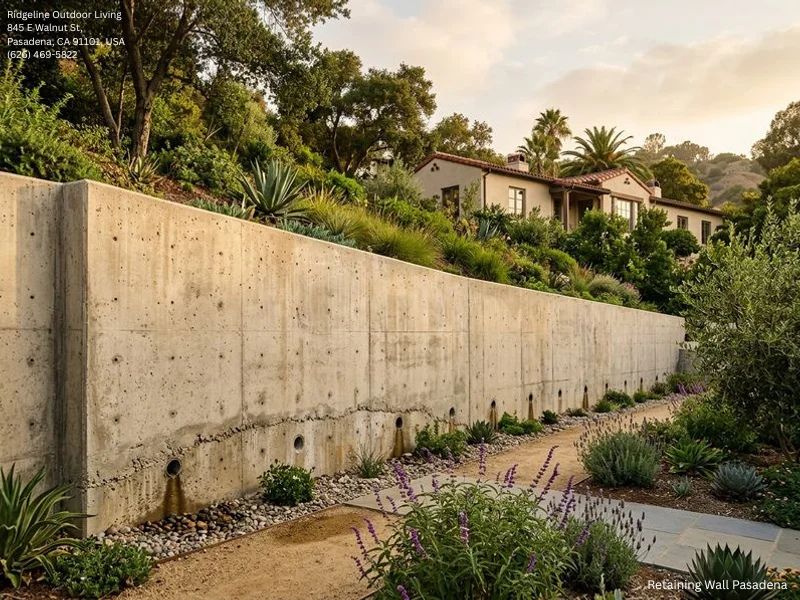
A Mt. Washington hillside home needed erosion control and a soft look to contrast corten planters and a board formed concrete retaining wall. We planted blocks of yarrow and Carex praegracilis between 18 inch stone bands, tied drip lines to a dedicated valve, and mulched heavily for the first season. By month five in spring, the matrix closed. The owner trims twice a year and enjoys butterflies in early summer. The slope stays stable, and the ground stays cool around the fire pit terrace above.

Environmental considerations and product stewardship
Clients often ask about sustainability. Artificial turf saves water, but it is still a plastic product that will need disposal or recycling at end of life. Some manufacturers offer take back programs; we prioritize those. Choosing infills without heavy metals and adhesives with transparent safety data is part of the spec. Heat is the other environmental factor. We use shade, lighter adjacent materials, and plant mass to temper temperatures.
Sod and natives contribute evapotranspiration cooling and habitat, especially natives. They require water and, in the case of sod, periodic fertilizers or soil amendments. We lean on slow release and organic inputs where appropriate and test soils to avoid over application. The Best Drought Tolerant Plants for Los Angeles Yards and 15 Water Wise Landscaping Ideas for California Homes overlap directly with our groundcover palette.
How hybrid solutions add resilience
Many of our favorite landscapes mix groundcovers. A front yard on a busy street may use a native meadow band to cool and buffer, a crisp turf square for a clean look, and a paver approach for durability. Backyard programs often combine a sod rectangle for play with native borders and stepping pads that direct traffic. Pergolas vs Covered Patios affect microclimate underfoot; pergolas cool enough to make turf or sod more usable at midday, while covered patios can justify a larger hardscape footprint with planting to soften.
This layered thinking also supports budgets over time. You can phase work, addressing drainage and hardscape first, then adding groundcovers with seasonal windows in mind. How Ridgeline Outdoor Living Approaches Design Build Landscaping includes this sequencing so owners can make informed choices without backtracking.
Maintenance planning and honest expectations
No surface is zero maintenance. Artificial turf needs periodic brushing, leaf blowing, and cleaning in pet zones. Sod needs mowing, seasonal care, and irrigation tune ups. Natives need weeding early on and light seasonal cutbacks. We provide maintenance briefs and, if desired, connect clients with crews who understand the specific groundcover installed. For sod, blade height, sharpening schedules, and watering windows matter. For natives, timing the cutback and knowing which species can be mowed and which should be hand trimmed preserves the intended look.
We schedule post install check ins at two weeks, two months, and six months. Small adjustments early prevent bigger issues later. A misaligned sprinkler head can carve a brown streak through a sod lawn by August. An overwatered native bed can drift toward mildew. A turf seam that lifts in the first heat wave telegraphs across a yard. Catching and correcting is part of the service.
If you are still torn, here is how to decide in an afternoon
If you have read this far and still see merit in each path, we do two simple exercises on site. First, we lay turf samples in sun and shade and have you stand on them at midday. Heat is not theoretical when you feel it. Second, we walk through lifecycle numbers with your water rate, not a generic benchmark. That math, combined with how you intend to use the space, usually tips the scale.
The city is full of design inspiration. 10 Outdoor Living Ideas Transforming Los Angeles Backyards, 15 Driveway Paving Ideas to Improve Curb Appeal, and 12 Outdoor Living Features That Add the Most Value all showcase surfaces tied to use. The ground underfoot is not a background decision. It is the foundation for how the rest of your landscape feels and works.
When you are ready to talk specifics, we bring samples, pencils, and the lived experience of installing every option across microclimates, slopes, and styles. We will help you choose the right mix for your property, then build it to last.