Hiring a landscape contractor is not a simple purchase. It is more like choosing a builder for a part of your home that has to withstand weather, foot traffic, barbecue grease, and the scrutiny of dinner guests for years. In Southern California, the stakes include hillside stability, drought, fire considerations, and city inspections. I have watched projects succeed because of smart early decisions, and I have seen good homes saddled with drainage nightmares that should have been caught on day one. The right questions protect your budget, your timeline, and your yard.
This guide collects the questions we encourage our own clients at Ridgeline Outdoor Living to ask during the first conversation and again before signing. The best contractors welcome them. Clear answers up front lead to smoother builds and better landscapes, whether you are adding an outdoor kitchen in Mar Vista, reworking a hillside in Glendale, or swapping a sun-baked lawn for water-wise planting in Pasadena.
Ask first about the basics you cannot see
A polished portfolio tells you a contractor can make beautiful work happen. Insurance certificates, license details, and written processes tell you they can make it happen safely and legally. Start here.
1) Are you licensed, bonded, and insured, and can you send proof today?
In California, landscape construction that includes hardscape or irrigation must be performed by a contractor with a C‑27 license issued by the Contractors State License Board. Ask for the license number and check it on the CSLB website. Good contractors do not hesitate. They also carry general liability insurance, often with a one to two million dollar aggregate, and workers’ compensation for every person who will set foot on your site. If they tell you they are exempt from workers’ comp because they use only subcontractors, proceed carefully, then verify the coverage of those subs.
Bonding is not a substitute for insurance, but it does add a layer of consumer protection and is required for licensed contractors in California. Ask for a Certificate of Insurance that names you as additional insured for the project address. Most offices can send it within a business day. If it takes a week, take note of how that pace would feel during a concrete pour.
Here is a simple set of documents to request and keep on file:
- California C‑27 license number and business name on file Certificate of Insurance showing general liability limits and your address as additional insured Workers’ compensation certificate covering all field personnel Contractor’s bond information A short email listing any subcontractors typically used and how they are vetted
A quick anecdote. A homeowner in Studio City hired a budget outfit that could not produce workers’ comp paperwork. A week into demo, a laborer twisted an ankle on a broken step. The homeowner found herself fielding calls from an insurance adjuster. The job cost more than expected, and her patience wore thin before the first paver went down.
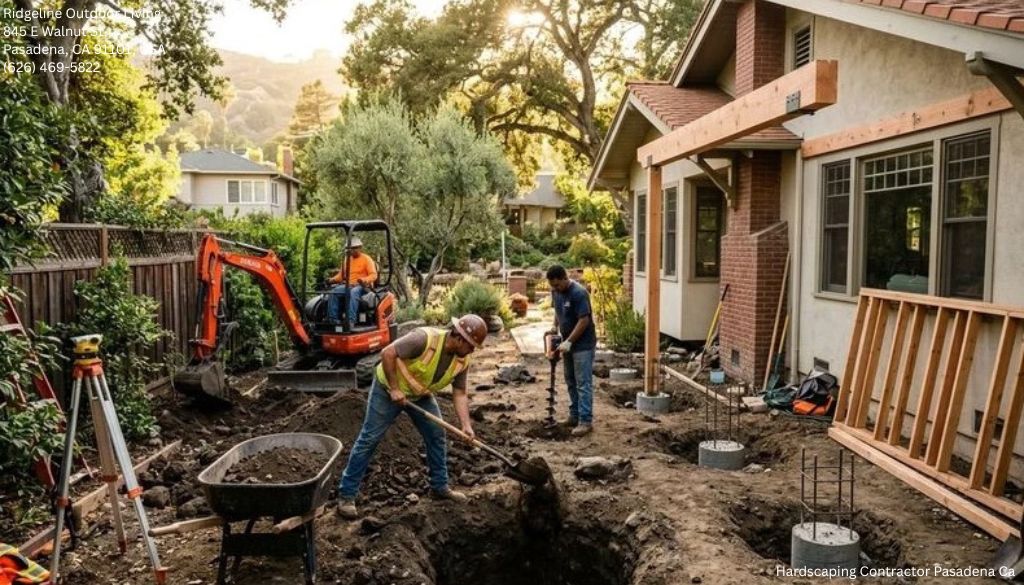
2) Who leads design, and what does your design process include?
There are two common approaches. In a design‑build model, one firm handles both design and construction, which tightens accountability and usually compresses the schedule. In a design‑bid model, a separate landscape architect or designer develops plans, then multiple contractors bid. Either path can work well, but you need to know who is responsible for details that make or break a project.
Ask for a defined design scope. A robust set typically includes a base plan with accurate dimensions, grading and drainage notes, lighting locations and fixture schedule, planting plan with botanical and common names, and material callouts for every surface. For complex builds, request 3D views or at least perspective renderings. If your yard sits on a slope, design should account for retaining walls, step riser heights, and railings where required by code. A good plan also shows where the water goes, not just where the plants go. If the plan is just a mood board and a sketch, your budget will carry the uncertainty.
Los Angeles municipalities and HOAs often require submittals for outdoor kitchens, pergolas, or walls above certain heights. Design that anticipates LADBS review, gas line sizing, and electrical load prevents weeks of rework. If you plan to explore a resort‑style backyard with a pool, outdoor lighting, and a covered patio, expect several rounds of design. The contractor should define how many revisions are included, typical turnaround time, and whether those drawings are permit ready.
Clarify scope, specifications, and the dirt under the finishes
Glossy travertine can sit on a flimsy base, and a beautiful outdoor kitchen can be starved for gas. You want precise language in your proposal, not just nice photos in a presentation.
3) What exactly is included in your proposal, and what is excluded?
Reputable contractors write proposals that read like a scope of work. Ask for material specifications, preparation steps, and quantities where possible. For example, a paver patio should reference base depth by area, not just a lump sum. In much of Los Angeles, we specify a compacted Class 2 base of four to six inches for pedestrian patios, more for driveways, plus one inch of bedding sand. Concrete patios should list thickness, compressive strength, reinforcement, and finish. A common spec is a four inch slab at 3,000 to 3,500 psi with rebar 18 inches on center, but clay soils or expansive conditions may call for more. If you are comparing paver patios vs stamped concrete, make sure bids reflect the same thicknesses and reinforcement, not apples to plums.
Outdoor kitchens need detail. List the appliance brands, BTU loads, vent placement, gas and electrical trenching lengths, slab or footing requirements, and countertop material. We see outdoor kitchen costs in Los Angeles range from roughly 15,000 dollars for a straight run with a grill and storage, to 60,000 dollars and up for L‑shapes or U‑shapes with refrigeration, side burners, and stone counters. Big price spreads usually trace back to differences in materials, utilities, and site work. Spell them out.
Ask what is excluded. Hauling and disposal fees, demolition of unexpected concrete under existing turf, imported soil, crane fees for mature trees, and utility upgrades can alter a budget quickly. The contractor should note who pays for permit fees, who covers surveying if property lines are in question, and how many post‑design revisions are included before additional design fees apply.
4) How will you handle drainage, irrigation, and hillside stability on my property?
Drainage is not decoration. It is risk management. Many Los Angeles yards sit on fill soils, clay, or slopes that channel water toward foundations. Poor grading and clogged lines are the leading cause of paver heave, muddy lawns, and salt stains on new seat walls. A credible contractor evaluates existing grades, downspouts, soil percolation, and where the water wants to go.
Ask whether the plan uses surface solutions like swales and catch basins, subsurface French drains, or both. French drains are simple in concept, but execution matters. We specify perforated pipe wrapped in a clean aggregate with a filter fabric that resists clogging without choking flow, then we provide a positive outlet or a dry well sized for local storms. If the yard is flat and the street is higher, expect a sump with a dedicated power source and clear maintenance access.
On hillsides, retaining walls may protect both aesthetics and safety. Walls above a certain height often require engineering. Discuss wall types, from segmental block systems to cast‑in‑place concrete with proper footings and drainage blankets. If your site shows signs of movement, such as leaning fences or cracked paths, a soils report may be a smart investment. It is cheaper than rebuilding a wall that bulges after the first winter storm. We routinely install weep holes, toe drains, and geogrid reinforcement based on engineer notes for hillside properties, and we include maintenance guidance so homeowners can keep outlets clear.
Irrigation should align with water‑wise goals. Drip zones for planting, MP rotators for lawn or groundcover where needed, pressure regulation at the valve, and smart controllers that meet municipal guidelines. If you are weighing artificial turf vs sod for a small play area, discuss heat, lifespan, and maintenance. Quality turf installations in our region run roughly 10 to 20 dollars per square foot depending on the base work, and they benefit from a plan to flush pet areas and control odors. Sod is cheaper up front, but it needs real water and a tolerant mindset for dormancy. There is no one right answer. The right answer fits your use and your microclimate.
Understand schedules, inspections, and the people on your site
Few things strain a project like a crew that drifts on and off or a permit that no one pulled.
5) What timeline should I expect, and how do you staff a job?
Timelines vary with scope and permitting. For a typical hardscape and planting project of 1,000 to 2,000 square feet, plan on two to four weeks for design, one to two weeks for procurement, and four to eight weeks for construction, spaced around inspections and material lead times. Custom steel pergolas, specialty porcelain pavers, and imported stone can extend that schedule. In Los Angeles, permit review for simple outdoor kitchens and retaining walls can run two to eight weeks depending on the season and submittal quality.
Ask how many crew members will be on site daily, who the working foreman is, and how communication flows. A stable crew of four to six people will outpace a revolving roster of two. Weekly check‑ins, written updates, and a principal who visits during key milestones go a long way. Also confirm whether the contractor schedules USA DigAlert 811 utility marking before digging. It seems small until someone’s pick meets a shallow gas line.
6) Who pulls permits, schedules inspections, and coordinates with utilities?
A contractor used to local jurisdictions will know when a job shifts from exempt to permitted. Gas lines to a fire pit, electrical runs to new lighting or an outdoor fridge, walls above certain heights, and covered structures usually trigger permits. Make sure the proposal notes responsibility for drawings, permit applications, plan check responses, and inspection scheduling. If you are adding driveway widening in a city right of way, you may need an encroachment permit. If your project includes a pool or spa, even more agencies can be involved, and the sequence of inspections matters.
When gas appliances are involved, ask whether a plumber will size the gas line for total BTUs, including any future additions. Undersized lines lead to frustrating flame height on fire features. For electrical, confirm that a licensed electrician will run dedicated circuits with GFCI protection where required, and that conduit runs are planned early, not trenched through finished patios later. Small choices here affect reliability and safety.
Budgeting like a builder, not a shopper
Price matters, but so does what the price represents. Savvy homeowners compare scopes and methods, then weigh value, not just totals.
7) What are realistic cost ranges for the features I want in Los Angeles?
Numbers vary, and square foot pricing can mislead because access, demolition, and subgrade conditions account for so much. Still, ranges help frame decisions.
For paved surfaces, quality concrete patios often land between 14 and 22 dollars per square foot depending on thickness, reinforcement, finish, and site work. Stamped concrete adds cost for pattern and color, and it needs resealing to stay handsome. Paver patios, from concrete to stone, typically range from 18 to 35 dollars per square foot for pedestrian areas, higher for driveways. Pavers cost more up front, but they handle movement better, allow access to utilities, and often age more gracefully. We guide clients through Paver Patios vs Stamped Concrete with local examples rather than blanket answers.
Outdoor kitchens in Los Angeles run from around 15,000 dollars for compact layouts with a grill and storage, to 60,000 dollars or more for multi‑appliance islands with stone counters, custom steel, lighting, and utilities. Fire pits range from about 2,500 dollars for a simple gas bowl to 10,000 dollars plus for custom masonry with seating. Low voltage outdoor lighting tends to average 250 to 450 dollars per fixture installed, depending on the fixture and terrain. Retaining walls are priced per square foot of face, commonly 60 to 150 dollars depending on system, height, access, and engineering.
Artificial turf installations often range from 10 to 20 dollars per square foot, driven by base preparation, turf quality, and details like edging and infill. Quality drought‑tolerant planting with drip irrigation frequently falls between 12 and 25 dollars per square foot, depending on plant size, soil work, and mulch. Driveway paving can run from 20 to 45 dollars per square foot for pavers, with specialty finishes above that. These are working ranges, not bids, and they reflect completed projects across Los Angeles neighborhoods with varied access and soil.
A good contractor will explain what pushes a price up or down. Tight side yards that landscaping guides require wheelbarrows instead of loaders add labor. Exporting unexpected concrete buried under an old lawn can add dump runs. Phasing around your schedule may stretch a job, and in construction, time is money.
8) How do you manage changes, allowances, and payments?
The change order process is the pressure release valve on a project. Ask how changes are documented, priced, and approved. A clean process uses written descriptions, line item pricing, and homeowner sign‑off before work proceeds. For features not yet chosen, like tile or fixtures, allowances are common. Ensure the allowance reflects realistic options you would actually pick. If you plan to consider 30 dollar per square foot porcelain, a 6 dollar allowance will frustrate everyone.
Payment schedules should align with milestones, not just dates. An initial deposit, a progress payment at completion of demolition and base preparation, another at halfway through hardscape, and a final payment upon substantial completion are typical. Avoid front‑loading that exposes you to risk. Many reputable contractors will accept credit cards for deposits and checks or electronic transfers for progress payments. Ask about retention, often five to ten percent held until the punch list is complete, and whether that is acceptable within the company’s cash flow.
Here are a few red flags in contracts that deserve a second look:
- Vague line items like “install patio” without base thickness, reinforcement, or finish notes A payment schedule that demands large sums before visible progress No mention of drainage or irrigation in a full yard renovation An allowance list with unrealistically low numbers for key finishes A warranty that starts before the project is complete or excludes obvious items like settling cracks or irrigation leaks
Verify quality where it shows and where it hides
Build quality reveals itself when installers cut around a utility box with care, or when they take the time to compact in lifts rather than rushing a base. You cannot babysit a site, so you rely on the contractor’s standards.
9) What warranties and maintenance support do you provide?
Ask how long the contractor stands behind workmanship on hardscape, irrigation, and plantings. In our experience, two years on hardscape workmanship is a solid baseline, with some components like segmental retaining walls backed by manufacturer warranties that can extend further if installed to spec. Plants often carry 90 day to one year warranties, especially when the contractor maintains irrigation. Artificial turf warranties from manufacturers can range from eight to fifteen years against fading and fiber breakdown, with workmanship warranties from the installer layered on top.
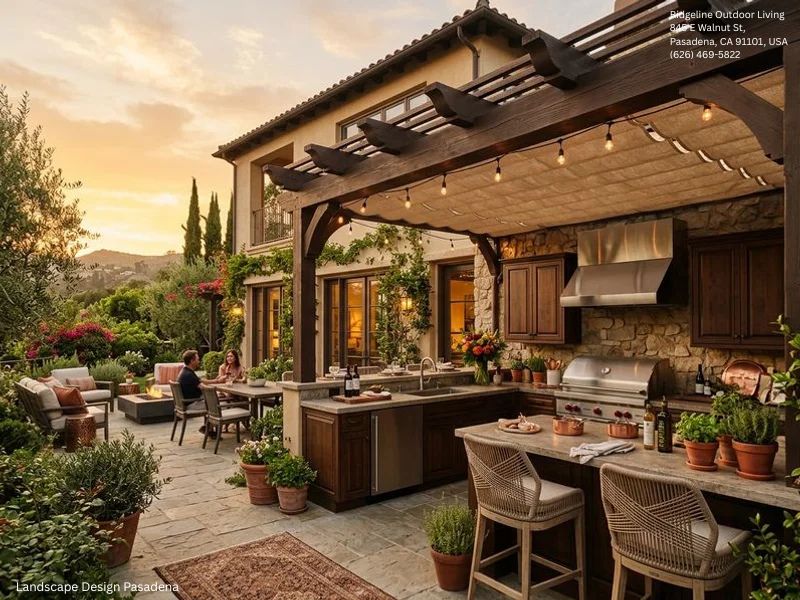
Equally important, ask about maintenance. A new yard needs dialing in. Irrigation runtime adjusts seasonally. Drains need a fall cleaning before the first heavy rain. Timber and steel need care to look their best. Some firms offer seasonal tune‑ups, lighting re‑aims, and irrigation optimization at set fees. If your yard includes 10 Outdoor Lighting Ideas for Los Angeles Landscapes like path lights, uplights on olive trees, and moonlighting from a pergola, you will appreciate a contractor who returns at dusk to aim and dim. Ask for a simple maintenance guide at handoff.
10) Can I speak with recent clients and see similar projects in person?
References still matter, but ask for recent ones in your part of the city and of similar scope. A hillside wall in Mount Washington is not the same as a flat yard in Lakewood. Aim for at least two conversations and, if possible, a drive‑by. Ask past clients how the crew treated the site, whether the budget held, how the team handled surprises, and how the yard has performed through a rainy month and a heat wave. Pay attention to the tone, not just the words. If a reference sounds truly enthusiastic and invites you to walk the site, that tells you something.
When viewing finished work, look for consistent joint spacing on pavers, tight mitered corners on seat walls and kitchen returns, solid drainage with no ponding after irrigation, and clean transitions between materials. Check that slopes feel comfortable and safe. On driveways, confirm that edges are well restrained. If the project includes elements from 15 Paver Patio Designs Los Angeles Homeowners Love, such as contrasting borders or inlays, study how crisp those lines appear.
Fit matters as much as price
Beyond competence, you want a team whose style and process match your rhythms. If you do not want daily decisions, hire a contractor who frontloads them. If you love to tinker, look for a designer who enjoys iterations. Good fit saves everyone time.
Ask who will be your day‑to‑day contact, how often you will receive updates, and what decisions they expect from you at each stage. If you value sustainability, share that early. A contractor steeped in The Ultimate Guide to Drought‑Tolerant Landscaping in Los Angeles mindset will propose native and climate adapted plants, smarter irrigation, and permeable hardscapes as defaults, not upgrades. If you plan to entertain around a fire feature year‑round, say so, and they can bring forward 12 Backyard Fire Pit Ideas for Entertaining Year‑Round that match local codes and your aesthetic.
Materials and methods tailored to Southern California
Local knowledge pays dividends. Sun, salt air in coastal zones, clay soils in parts of the Valley, and hillside drain patterns inform choices.
For decking and pergolas, kiln‑dried cedar or aluminum performs well in sun, while some hardwoods demand more maintenance. For patios, porcelain pavers stay cooler underfoot than many dark natural stones, and they resist staining from food or leaves. In driveways, permeable paver systems earn favor because they manage runoff and ease permits in some jurisdictions. If you are curious about 15 Driveway Paving Ideas to Improve Curb Appeal, ask your contractor to show examples that consider your street’s style and slope.
Plant palettes lean toward water wise species that still deliver texture and bloom. Think manzanita, rockrose, salvias, westringia, and Mediterranean herbs. For The Best Drought‑Tolerant Plants for Los Angeles Yards, evaluate how each choice looks in summer when many natives rest. A contractor with a horticulturist on the team will stage bloom times so your garden reads as alive in August, not just in March.
Retaining walls for hillside properties deserve extra care. Segmental systems with geogrid can be cost effective for lower heights, while cast‑in‑place concrete suits more complex geometry. The contractor should explain how walls prevent erosion and what maintenance keeps them working. If a wall protects a neighbor’s property, document the line and responsibilities in writing.
Lighting extends use and adds safety. Shielded fixtures that direct light only where needed keep the night sky visible and your neighbors happy. A capable contractor will avoid the 10 Outdoor Lighting Mistakes That Reduce Curb Appeal, such as hot spots on walls or glare near seating, and instead create scenes that feel calm and composed.
How Ridgeline approaches these questions
We encourage clients to ask all of the above, plus anything else on their mind. Our own approach is simple. We design to the site and the way you live, we build with attention to the layers you will never see, and we maintain clear communication from the first call to the final sweep. Our design‑build team handles everything from drainage and retaining walls to outdoor kitchens and lighting plans, and we coordinate with engineers and inspectors when the project calls for it.
A few habits we have learned the hard way:
- Before touching a shovel, we walk the site with a hose and a level to see where water goes, not where we hope it goes. If that reveals a need for a French drain or a subtle regrade, we revise the plan rather than pretending it will be fine. We size gas lines for the system you have and the one you might want in five years. If you love 15 Fire and Water Feature Ideas for Modern Landscapes, we plan the backbone from the start. We mock up step heights and tread depths on hillside paths before building. What looks good on paper may feel off underfoot. A five minute test protects you from twenty years of annoyance. We specify materials with local performance in mind. In a south facing yard in Woodland Hills, porcelain that stays cooler can beat a beautiful but heat loving bluestone. In a coastal yard, we avoid metals that corrode in salty air unless they are treated and warranted. We document changes quickly, in writing, with costs, and we never proceed without your approval. Surprises do not age well in construction.
Final thoughts before you sign
If you do only one thing before hiring a landscape contractor, verify license and insurance and then talk to two recent clients. If you do a second thing, align the scope and specifications across bids so that you compare fairly. Then, choose the team that communicates clearly and shows pride in the work you will never see again once soil and stone cover it.
Business Name: Ridgeline Outdoor Living
Address: 845 E Walnut St, Pasadena, CA 91101, United States
Phone: (626) 469-5822
Ridgeline Outdoor Living
Ridgeline Outdoor Living is a Pasadena-based landscape design-build company serving Greater Los Angeles with custom outdoor living, hardscape, and drought-tolerant landscape solutions. The company specializes in patios, retaining walls, outdoor kitchens, drainage, hillside projects, and turnkey landscape construction, handling projects from design and permitting through final build and warranty.
845 E Walnut St, Pasadena, CA 91101, USA
Business Hours:
- Monday – Saturday: 8:00 AM – 6:00 PM
- Sunday: Closed
Follow Us:
Los Angeles offers enviable outdoor living, from pergolas that soften summer light to paver patios that anchor dinner tables and play spaces. The best projects respect water, soil, and slope while delivering comfort and style. Ask thoughtful questions, expect detailed answers, and give your yard the sound foundation it deserves. When the first real rain comes and your drains hum while the top landscaping companies Pasadena fire pit dances, you will be glad you did.