Backyards in Southern California carry a lot of weight. They host birthdays and late dinners, do double landscaping guides duty as home offices, and shoulder the climate reality of longer dry spells punctuated by sudden downpours. The best outdoor spaces look relaxed, but they run on careful planning, sound construction, and choices that make sense for the site. After years designing and building across Los Angeles, from coastal fog zones to the foothills, our team at Ridgeline has seen the same pitfalls repeat. Avoid them, and your project stays on schedule, on budget, and beautiful for years.
Start with a master plan, not a shopping list
A piecemeal approach seems efficient. Add the pergola this year, the paver patio next, maybe a fire pit when there is time. The result often feels scattered and costs more. The grade gets cut twice, utility trenches cross finished areas, and the flow never quite clicks. We worked with a family in Studio City who had already poured a small stamped concrete pad. By the time we tied in an outdoor kitchen and seating, the narrow slab dictated a cramped layout, and they paid to demo five truckloads they had installed the year before.
A master plan does not mean you build everything at once. It sets elevations, drainage, utility routes, and the relationships between spaces. Phasing becomes strategic. If you know an outdoor kitchen may come later, stub a gas line and conduit during early grading. If a pool is a long term dream, reserve that level pad and route French drains so they do not cross the future excavation.
A thoughtful plan also anchors design decisions to how you actually live. If you host large gatherings a few times per year, create a flexible lawn or turf court that moonlights as event space. If mornings are your quiet window, place the coffee perch where it catches sun in winter and shade in summer. Our piece on How Ridgeline Outdoor Living Creates Functional Outdoor Living Spaces dives into these moves, but the gist is simple. Plan the bones, then layer features with intention.
Quick pre-design reality check:
- Preferred uses ranked in order, not everything all at once A rough total budget and a 10 to 15 percent contingency A phasing roadmap so early work does not get ripped out Measured sun, wind, and neighbor sightlines at key times of day A current site survey showing property lines and any easements
Skipping drainage and grading because the yard “seems fine”
Los Angeles soils vary wildly. In Santa Monica you can hit heavy clay that holds water. On a Silver Lake hillside, decomposed granite sheds it quickly. In both cases, surface grading and subsurface drainage decide whether your patio stays level and your planting thrives. The rule of thumb for hardscape is simple. A finished patio or pool deck should pitch away from structures at roughly 1.5 to 2 percent, so water does not creep back to the house. Where this water goes matters. Dumping it on a neighbor’s property or city sidewalk triggers headaches or citations.
Subsurface solutions keep water moving where grades alone cannot. A French drain is the workhorse. Think of a perforated pipe wrapped in filter fabric and set in a trench filled with washed gravel, pitched so water flows to a basin or street curb where legal. It is not complicated, but it fails when the trench is too shallow, the fabric is skipped, or the outfall is not maintained. We see this constantly in yards where grass looked lush until the first winter storm. The drain filled with silt, and puddles returned.
Hillside properties raise the stakes. A poorly drained slope loads retaining walls with hydrostatic pressure. When a homeowner in Glendale asked us to diagnose a leaning wall, the cause was textbook. The original contractor set block on native soil with no drain behind it. We rebuilt the wall on a proper footing, installed a perforated pipe at the heel, added weep holes, and wrapped the backfill with fabric to stop fines from clogging the drain. If you are weighing options, our notes in Retaining Walls for Hillside Properties: What Homeowners Need to Know and French Drains Explained: Protecting Your Property From Water Damage offer deeper context.
Treating permits and codes as an afterthought
Not every backyard upgrade needs a permit, but more work is regulated than many homeowners expect. In Los Angeles jurisdictions, gas lines, electrical work, structures with a roof, and retaining walls over certain heights typically require permits and inspections. Retaining walls over 4 feet measured from the bottom of the footing to the top of the wall almost always require engineering. Zoning rules can limit how close a structure sits to a property line, how high a deck can rise, or how much impermeable surface you can add.
We once inherited a half built outdoor kitchen in Pasadena where the gas line was undersized and buried without inspection. The city required it be uncovered and replaced, which meant saw cutting a brand new slab. When permitting is folded into the design process, you avoid rework and back charges. Plans show elevations, utilities, and clear sections of any walls or shade structures. Inspectors know what they are looking at, and the schedule holds.
HOAs add a layer. commercial landscapers Pasadena Their design guidelines might govern materials, paint colors, and even plant palettes. They do approve thoughtful requests. When we proposed a low modern fence in a coastal community, we submitted elevations and a mood board that showed how the design stepped with the grade and protected existing views. It passed without revisions because everything was clear.
Picking materials for looks, not lifespan or use
A paver patio photograph can sell anyone. Those joints, that color. Yet materials need to match use, climate, and maintenance appetite. For flat entertainment areas, we often weigh pavers, poured concrete, or porcelain tile over concrete.
- Pavers, installed over a compacted base with polymeric sand, excel at flexing without cracking, especially where tree roots or minor settlement is expected. Repairs are simple because individual units lift and reset. Initial costs vary, but in Los Angeles many quality paver patios land in the 20 to 35 dollars per square foot range for straightforward layouts, more for complex patterns and borders. Poured concrete is cost efficient over large, simple areas and can be beautiful with the right finish. It does crack at control joints and sometimes between them. If utility trenches cross the slab later, repairs will show. Sealer upkeep matters, especially near grills and under dining tables. Large format porcelain tile over a concrete substrate gives a clean, modern surface with high stain resistance, but installation demands precision. Expansion joints, slip resistance ratings, and a flat base are non negotiable.
Tile gets slippery by a pool if the coefficient of friction is too low. Stamped concrete can look convincing when colored and sealed correctly, but heat can make some finishes uncomfortable under bare feet. Our comparison in Paver Patios vs Stamped Concrete: Pros and Cons breaks down these trade-offs, and 15 Paver Patio Designs Los Angeles Homeowners Love offers examples where each material thrives.
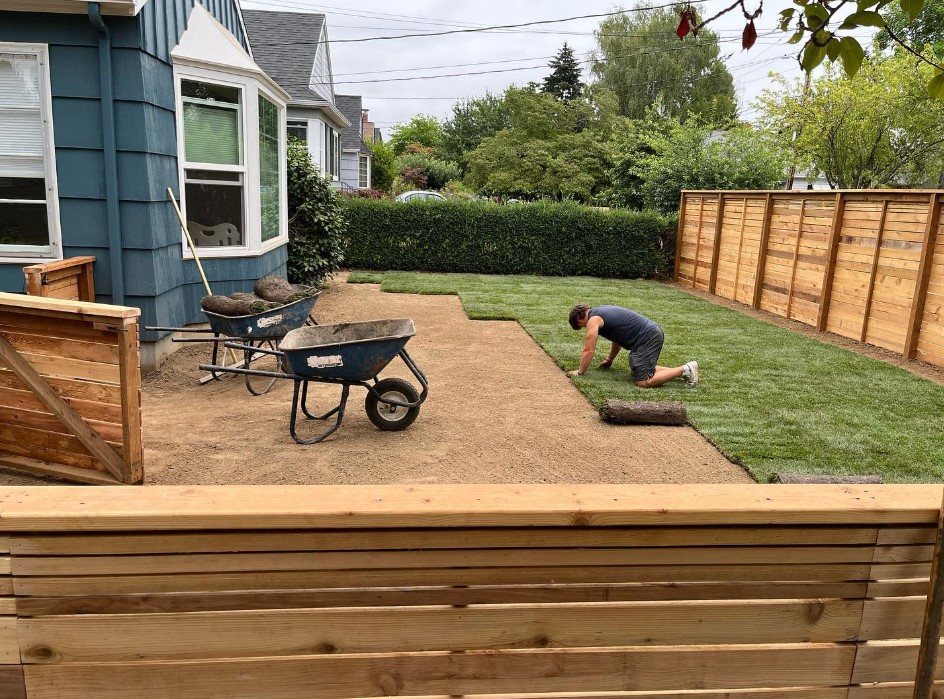
Turf brings its own decision. Artificial Turf vs Sod: What’s Best for Los Angeles Homes? Depends on shade, pets, and water goals. Artificial turf trims irrigation dramatically and stays green year round, but it heats up in peak sun and benefits from occasional rinsing. Quality matters. We insist on proper sub base, a weed barrier, and seam work tight enough that you cannot find it at a glance. Natural sod cools the yard, feels great, and can be re-sodded in patches after heavy pet use, but the water and mowing commitment are real. Sometimes the best play splits the yard. A small natural lawn for play, artificial turf in a shaded sport court, and drought tolerant planting elsewhere.
Building the wrong scale for the yard
Big features do not automatically deliver big enjoyment. We measured an Encino lot where a 14 foot deep pergola loomed over a narrow patio and blocked the only winter sun the kitchen window enjoyed. By cutting the depth to 9 feet, switching to a lighter slat pattern, and shifting the structure six inches off the house, the space breathed again.
Scale starts with circulation. Allow 4 feet of clear path behind dining chairs when pulled out, and plan for at least 3 feet on everyday walkways. Outdoor kitchens are another place scale creeps. A two burner grill and a stretch of 4 to 5 feet of adjacent counter can handle most family dinners. If you add a sink, fridge, and pizza oven, measure work triangles like you would indoors. Nothing tanks a party like a 30 inch aisle.
Proportion also plays into water features and fire. Gas fire bowls read best when the flame and vessel meet in balance. Oversized rings of fire leave guests backing away from heat. Our guide, 12 Backyard Fire Pit Ideas for Entertaining Year-Round, shows settings that keep gatherings close without overwhelming small yards.
Ignoring lighting and power until the end
Outdoor lighting becomes an afterthought too often, and it shows at the first gathering that runs past dusk. Pathway glare from bright, bare fixtures. A missed step where a low riser blends into the patio. A seating nook no one uses because it falls into shadow an hour after sunset.
Plan lighting like you plan planting. Identify focal points, circulation, and work areas. Layer low output path and step lights, subtle wall washes, and a few accent spots for specimen trees. In Los Angeles, 12 volt low voltage systems are typical and safe around planting beds. GFCI outlets near cooking zones and weather rated junctions keep inspectors happy and users safe. As for brightness, 100 to 200 lumens per path light is often plenty, while 300 to 600 lumens suits task lighting near grills. Spread is as important as intensity. Too few fixtures cranked too bright look harsh. Enough fixtures set lower gives the even, welcoming feel you see in 10 Outdoor Lighting Ideas for Los Angeles Landscapes.
Plan power alongside lighting. Run conduit to pergola beams if you may add a fan later. Stub a spare conduit to the back corner where a spa might live one day. We also run an empty conduit or two under large slabs. They cost little and save a saw cut if you ever want to add a speaker or pull a new cable.
Skimping on base prep and hidden structure
Most of what makes hardscape last happens below the finish. Skip geotextile fabric on top of native soil, and your base stone intermixes with clay. Water lingers, freeze-thaw cycles, though mild here, still do their work, and tire ruts or sunken pavers show up early. For driveways in particular, base depth matters. We target 6 to 8 inches of compacted Class II road base for patios, and 8 to 12 inches or more for driveways depending on soil and load, compacted in lifts to 95 percent relative compaction where testing is warranted.
Edge restraints keep pavers locked. Cheap plastic edging staked every few feet may bow after a few summers. We prefer a buried concrete toe or strong edge units tied into the field. Under porcelain or natural stone, we pay close attention to slab reinforcement, expansion joints, and drainage planes so water does not sit beneath tile and pop it in a heat wave. These steps never make the Instagram shot, but they determine whether your 15 Driveway Paving Ideas to Improve Curb Appeal read as pristine a decade from now.
Misreading the budget and lifecycle costs
Backyard budgets stretch across a wide span. In the Los Angeles market, an outdoor kitchen can start near 15,000 dollars for a compact grill station with basic stucco finish and modest appliances. A well appointed kitchen with stone veneer, premium grill, side burner, undercounter fridge, solid counters, and gas and electrical trenching commonly lands in the 25,000 to 50,000 dollar range. Tie it into a new pergola, paver terrace, and lighting, and the total project can move past 100,000 dollars quickly. Our piece How Much Does an Outdoor Kitchen Cost in Los Angeles? Walks through the factors, line by line.
Hardscapes and structures are only part of the budget. Soft costs exist, even when owners hate the term. Permitting fees, soils reports, structural engineering for walls or shade structures, and plan sets for HOA review all take funds and time. Factor them early, and they do not sting.
Lifecycle costs count too. A wood pergola costs less up front than an aluminum model with integrated lighting, but your climate and maintenance appetite should weigh in. Wood needs periodic staining or painting. Drought tolerant planting reduces water bills and labor, but it asks for thoughtful plant selection at the start and careful irrigation tuning. The Best Drought-Tolerant Plants for Los Angeles Yards and Why Drought-Tolerant Landscaping Is a Smart Investment outline choices that pull their weight well past year five.
Planting what looks good at the nursery, instead of what fits the site
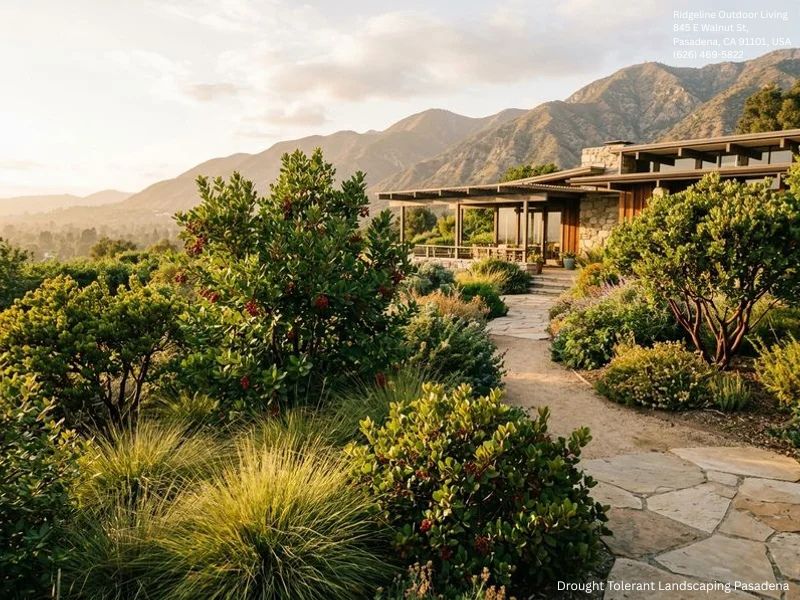
Designing a yard around its climate yields more time outside and fewer regrets. Los Angeles microclimates drift from marine layer mornings to valley heat that pushes triple digits in August. A plant that thrives in coastal Manhattan Beach might sulk in Woodland Hills. Drought tolerant does not mean rock and cactus. It means species that settle in and handle dry spells once established. We like to group plants by water need, so irrigation zones can be tuned. Agaves and aloes live on the lean side. Citrus will want a touch more.
Soil prep before planting sets the stage. Compaction from construction can choke roots. We rip or till to break the surface, amend where tests say it helps, then mulch everything we can. Two to three inches of organic mulch suppresses weeds, moderates soil temperatures, and slows evaporation. It also looks finished from day one. Drip irrigation lines beneath the mulch put water at the root zone where it belongs.
Artificial turf has its place in a water wise yard, particularly where play or pets call for durability. If you go that route, invest in proper base preparation, deodorizing infill if dogs are frequent users, and attention to seams and edging. Our guide Artificial Turf Installation: Everything Los Angeles Homeowners Should Know details the steps and the missteps we fix most often.
Forgetting that good outdoor rooms need shade and comfort strategies
A patio that bakes from 1 to 5 pm goes empty during the hours most families use it. A simple shade study solves this. Watch the sun through one day in spring and one day in late summer. Note angles and obstructions. Then choose the right shade strategy. Pergolas deliver dappled light and a structural anchor for lighting and fans. Covered patios block rain and sun but often trigger permits; our piece Pergolas vs Covered Patios: Which Is Right for Your Home? Lays out the trade-offs.
We often layer shade. A fixed pergola or roof near the house handles dining and cooking. Farther out, a shade sail or a small pavilion floats over a secondary lounge. Planting plays a role too. A deciduous tree on the west side can filter late day sun in summer and welcome it in winter. Always consider wind. In canyons and hillside homes, sails can become kites if they are not properly tensioned and anchored.
Comfort extends beyond shade. Consider where you place a fire element. In many neighborhoods, windy afternoons pick up from the west. Orient seating to shield guests, and choose gas fire tables with adjustable output. In smaller yards, built in heaters concealed in a pergola beam extend the season without crowding the floor plan.
Choosing a contractor on the lowest bid alone
A low number looks tempting, especially when two or three other bids cluster higher. Sometimes a team found a more efficient approach. More often, scope gaps or missing details create an illusion of savings. We reviewed a bid for a hillside yard that omitted engineering, soils work, drains, and a footing for a retaining wall. The number was 30 percent lower. By the time you add what is legally and structurally required, that gap disappears and the schedule falls apart.
Design-build teams tie design intent to field execution, which helps prevent these misses. One set of eyes carries the project from site measure through final punch. Communication is singular. If you prefer to work with separate designer and builder, insist on detailed drawings and a professional set that graphs elevations, drainage, utilities, and sections through any walls or structures. Invite both to a site walk together before bidding, so assumptions are surfaced early.
Five questions to ask before hiring a landscape contractor:
- Can I see two recent projects with similar scope, and can we speak with those clients? What is included and excluded in this proposal, specifically engineering, permits, and utility trenching? How will drainage be handled, both surface and subsurface, and where will the water go legally? Who supervises the job daily, and what is the communication cadence for decisions and changes? What warranties do you offer on workmanship and materials, and how are service calls handled after completion?
How these lessons shape specific features
Outdoor kitchens benefit from everything above. Locate them near indoor kitchens when possible to reduce steps and costs, but not so close that smoke hits the family room. On hillsides, mind the view line. Keep counters low enough that seated guests can see over, typically 36 inches, and always plan utilities before flatwork. Outdoor Kitchen Trends Los Angeles Homeowners Are Choosing points to durable materials like porcelain counters that shrug off heat and stains, and modular grills that service easily.
Water features rely on good engineering and maintenance access. A scupper wall emptying into a narrow rill looks serene, but splash, evaporation, and wind drift change the equation. In drier zones, we lean toward recirculating systems with auto fill and easy pump access. Our clients who enjoy 12 Water Feature Ideas for Luxury Los Angeles Backyards often choose elements audible from the dining table, not just seen from inside.
Driveways set the tone for the entire property. The Most Popular Driveway Materials in Los Angeles are not simply aesthetic choices. Permeable pavers can help manage stormwater if your site and local codes support them. A tight aggregate gravel in a steel edge frame suits modern homes and drains well but asks for more upkeep. Proper base, compaction, and a turn radius that matches your vehicles prevent edge failures and tire scars. We cover patterns and bands in 15 Driveway Paving Ideas to Improve Curb Appeal that look sharp and guide wheels exactly where they should go.
Business Name: Ridgeline Outdoor Living
Address: 845 E Walnut St, Pasadena, CA 91101, United States
Phone: (626) 469-5822
Ridgeline Outdoor Living
Ridgeline Outdoor Living is a Pasadena-based landscape design-build company serving Greater Los Angeles with custom outdoor living, hardscape, and drought-tolerant landscape solutions. The company specializes in patios, retaining walls, outdoor kitchens, drainage, hillside projects, and turnkey landscape construction, handling projects from design and permitting through final build and warranty.
845 E Walnut St, Pasadena, CA 91101, USA
Business Hours:
- Monday – Saturday: 8:00 AM – 6:00 PM
- Sunday: Closed
Follow Us:
Lighting ties the whole property together. Avoid the common pitfalls we outlined and the ones in 10 Outdoor Lighting Mistakes That Reduce Curb Appeal. Use warmer temperatures, often 2700 to 3000 Kelvin, to flatter skin tones and planting at night. Keep fixtures shielded to avoid glare, and aim away from neighbors. Smart controls simplify schedules so the yard glows when you need it and rests when you do not.
Phasing and future proofing without regrets
Not every project needs to be a single push. Many of our clients in the 10 Backyard Upgrades Worth the Investment category build in stages. The trick is to phase in the right order. We typically recommend grading and drainage first, then utilities, then hardscape and structures, and finally planting and low voltage lighting.
Future proofing means laying inexpensive groundwork. Extra conduit, a capped gas stub, an oversized main electrical run if you see a spa or studio in the future. When we designed a small Echo Park yard, the owners could only afford the paver terrace and planting in year one. We still ran conduit to a spot where a pergola might anchor later and set a footing beneath the pavers at the planned column. Two years later, the pergola installed over a weekend, and not one paver needed to be lifted.
When design-build pays for itself
A yard that looks effortless is usually the product of many small, correct decisions. Design-build helps stack those decisions in your favor. One team takes responsibility for grading plans that match structural realities, for plant choices that match water pressure and sun, and for details as humble as the exact height of a step. The fee line may read higher, but the job finishes faster with fewer change orders and a result that works as a whole.
If you are looking for inspiration, 10 Outdoor Living Ideas Transforming Los Angeles Backyards and 12 Outdoor Living Features That Add the Most Value highlight combinations that bring daily delight rather than occasional spectacle. A modest pergola paired with a compact kitchen, a paver terrace laid with a subtle border, drought tolerant planting that runs green on minimal irrigation, and lighting that invites evening conversation. These are the moves that endure.
Your backyard carries the potential to raise property value and, more importantly, to raise your quality of life. Avoid the common traps, ask good questions, and build the bones right the first time. The rest, from firelight to morning shade, falls into place.